

Best Cricket Captains in History
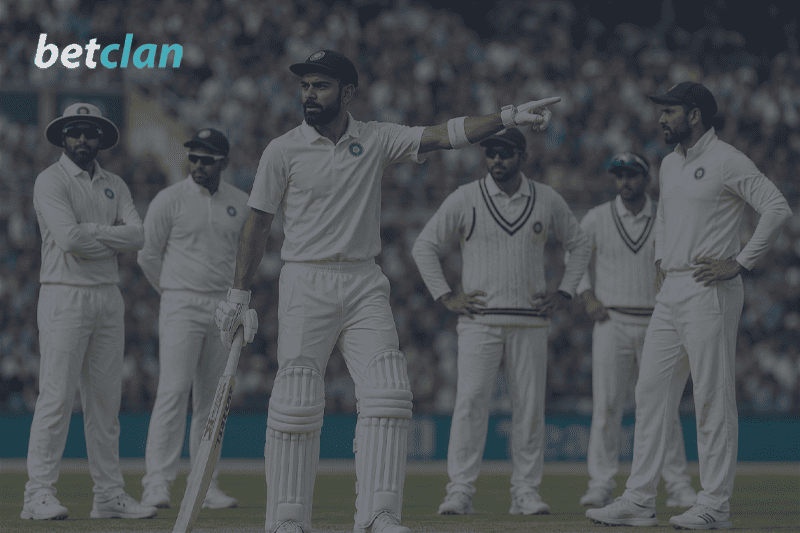
A detailed look at the best cricket captains in history, analysing leadership, trophies, tactical intelligence, dressing room influence and long-term impact on the game.
The Leaders Who Shaped Cricket Across Generations
Cricket has always been a sport where leadership matters as much as individual skill. A great captain does far more than set fields, choose bowlers or speak at the toss. The best cricket captains in history understood rhythm, pressure, personalities, conditions, momentum and the emotional pulse of a match. They could sense when to attack, when to wait, when to protect a bowler, when to challenge a batter and when to take responsibility for an entire dressing room. For fans who follow the modern game closely, tactical reading remains essential, and resources such as today cricket predictions can help track form, match context and current team trends before major fixtures.
Unlike some sports where the coach controls most decisions from the sidelines, cricket gives the captain a uniquely powerful role during play. Once the match begins, the captain becomes the central decision-maker on the field. He must manage bowling spells, field placements, review decisions, batting tempo, pressure situations and communication with players. In Test cricket, this can happen over 5 days. In limited-overs cricket, decisions may need to be made within seconds.
This article ranks and analyses 10 of the greatest cricket captains of all time. The selection considers trophies, tactical intelligence, leadership under pressure, influence on team culture, longevity, adaptability across formats and historical legacy. Some captains dominated through aggressive winning habits. Others changed the mentality of entire cricket nations. A few did not simply lead teams; they reshaped the way cricket was played and understood.
What Makes a Cricket Captain Truly Great?
A great cricket captain is not defined only by the number of matches won. Statistics matter, but leadership in cricket is more complex than a win-loss record. Conditions, eras, team strength, opposition quality and format all matter. A captain with a dominant squad may win many matches, but a captain who lifts an average or struggling team can leave an equally important legacy.
The best captains share certain qualities. Tactical clarity is one of them. A captain must read the pitch, understand match-ups, rotate bowlers intelligently and set fields that support a clear plan. Communication is another. Bowlers need trust. Young players need confidence. Senior players need respect. A captain who cannot manage people will eventually lose control, even if his tactical mind is strong.
Pressure management is also decisive. Cricket is full of long spells where momentum slowly shifts. A dropped catch, a poor over, a collapse or a controversial decision can change the emotional balance of a match. Great captains remain calm enough to make rational decisions when others react emotionally. They understand that leadership is not only about inspiration, but also about stability.
Top 10 Best Cricket Captains in History
1. Clive Lloyd
Clive Lloyd stands as one of the most influential captains cricket has ever seen. His leadership of the West Indies turned a talented group into one of the most dominant teams in sporting history. Under Lloyd, the West Indies became powerful, fearless and deeply united. They were not just winning matches; they were imposing an identity.
Lloyd built a team around pace, intimidation, discipline and collective pride. His fast-bowling attacks became legendary, but his leadership was about more than simply unleashing great bowlers. He gave the West Indies structure, confidence and purpose. He understood the symbolic importance of the team for the Caribbean and helped create an era where West Indies cricket became a global force.
Winning the 1975 and 1979 Cricket World Cups gave Lloyd a permanent place in the history of the game. However, his greater legacy lies in the culture he built. His West Indies team played with authority, unity and belief. Few captains have shaped an era as completely as Clive Lloyd.
2. Steve Waugh
Steve Waugh was the captain who turned Australia into a relentless winning machine at the end of the 1990s and the beginning of the 2000s. Australia already had great talent, but Waugh gave the side a hard competitive edge. His leadership was built on mental toughness, aggression and the famous idea of mental disintegration.
Waugh expected his team to dominate not only technically, but psychologically. Australia under his leadership played with pressure, confidence and a refusal to allow opponents any comfort. His captaincy style suited a team packed with great players, but it also demanded high standards every day. There was no room for complacency.
As a leader, Waugh was calm, tough and uncompromising. He understood how to win big moments and how to maintain hunger after success. His Australia side became one of the most feared teams in cricket history, and his influence helped define the modern image of Australian competitiveness.
3. Ricky Ponting
Ricky Ponting inherited a great Australian team and continued its dominance with remarkable authority. Leading a side full of elite players is not always as easy as it appears. Great teams contain big personalities, high expectations and constant pressure to win. Ponting handled that environment with confidence and maintained Australia at the top of world cricket.
Ponting was an aggressive captain who liked to keep pressure on opponents. His teams played fast, attacked hard and rarely allowed matches to drift. In limited-overs cricket, his leadership was especially successful, with Australia winning the 2003 and 2007 Cricket World Cups under his captaincy.
His own batting also strengthened his leadership. Ponting led from the front with intensity and consistency. He captained during a golden era, but he also had to carry the burden of expectation that comes with such dominance. His record, style and trophy haul make him one of the greatest captains in cricket history.
4. MS Dhoni
MS Dhoni is one of the calmest and most successful captains cricket has ever produced. His leadership was different from the intense, vocal style often associated with cricket captaincy. Dhoni was quiet, composed and deeply instinctive. He rarely looked overwhelmed, even in the most stressful moments.
His trophy record is extraordinary. India won the 2007 T20 World Cup, the 2011 Cricket World Cup and the 2013 Champions Trophy under his leadership. That combination across formats gives Dhoni a special place among cricket captains. He understood limited-overs cricket exceptionally well and had a rare ability to stay clear-minded at the end of tight matches.
Dhoni was also a master of trusting players. He often backed young cricketers, gave bowlers confidence and made unconventional decisions that later looked inspired. His field placements, bowling changes and finishing instincts became part of his legend. For India, he was not only a captain who won trophies; he was the leader who gave a generation belief on the biggest stages.
5. Imran Khan
Imran Khan was a transformational captain for Pakistan. His leadership combined charisma, tactical intelligence, personal excellence and a powerful ability to inspire belief. Pakistan cricket has often been associated with flair, unpredictability and individual brilliance, but Imran gave the team direction and competitive purpose.
The defining achievement of his captaincy came in 1992, when Pakistan won the Cricket World Cup. That campaign remains one of the most iconic stories in cricket history. Imran led with conviction, encouraged young talent and created a sense of mission within the squad. His famous leadership presence helped turn pressure into belief.
Beyond the World Cup, Imran shaped Pakistan cricket by backing players who became legends. He understood talent and knew how to challenge players to become stronger. His captaincy was not only tactical; it was inspirational. He made Pakistan believe that they could beat anyone, anywhere.
6. Graeme Smith
Graeme Smith became South Africa captain at a very young age and went on to build one of the most respected leadership careers in cricket. Captaining South Africa is never simple. The team has always carried huge expectations, emotional pressure and the weight of major tournament disappointments. Smith took on that responsibility with unusual maturity.
As a captain, Smith was strong, direct and resilient. He led from the front as an opening batter, often setting the tone in difficult conditions. His toughness became part of South Africa identity during his era. He was not a decorative leader; he was a player willing to absorb pressure physically and mentally.
South Africa achieved significant success under Smith, especially in Test cricket. His teams were competitive away from home, disciplined and difficult to beat. His longevity as captain, combined with his leadership burden from a young age, makes him one of the most important captains in cricket history.
7. Eoin Morgan
Eoin Morgan changed English white-ball cricket completely. Before his leadership, England often looked cautious and outdated in limited-overs formats. Morgan helped create a fearless, aggressive and modern white-ball identity that transformed England into one of the most dangerous teams in the world.
His greatest achievement came in 2019, when England won the Cricket World Cup. That title was not an isolated success. It was the result of a long cultural shift. Morgan encouraged attacking batting, flexibility, depth, data-driven thinking and freedom from fear. He allowed players to fail while still backing the bigger vision.
Morgan is one of the best examples of a captain who changed a cricket culture. He was not the most statistically dominant player on this list, but his leadership impact was enormous. England became bolder, smarter and more dangerous because of his captaincy.
8. Virat Kohli
Virat Kohli brought intensity, fitness standards and an aggressive winning mentality to Indian cricket, especially in Test matches. His captaincy was built on energy, fast bowling, discipline and the refusal to accept passive cricket. Under Kohli, India became more ambitious away from home and more confident in hostile conditions.
One of the most important aspects of Kohli captaincy was the emphasis on pace bowling. India had produced great batters and spinners for decades, but Kohli helped create an environment where fast bowlers became central to the team identity. That shift made India more competitive in countries where pace and bounce mattered.
Kohli was emotional, demanding and highly visible as a leader. His style was not calm like Dhoni, but it gave India a different edge. He made the team believe in aggression, fitness and sustained pressure. His legacy as captain is strongly tied to the rise of India as a powerful Test side with a global winning mindset.
9. Mike Brearley
Mike Brearley is often described as one of the finest tactical captains in cricket history. His playing statistics do not compare with many others on this list, but captaincy is not only about personal numbers. Brearley was valued for his intelligence, psychological understanding and ability to get the best from players.
His leadership of England, especially during the famous 1981 Ashes series, remains part of cricket folklore. Brearley had a rare capacity to read people. He understood confidence, fear, rhythm and emotional momentum. That made him an exceptional manager of players in pressure situations.
Brearley represents a different kind of captaincy greatness. He was not a dominant superstar who led through personal performance. He led through insight, communication and tactical subtlety. His place in this ranking reflects the idea that cricket captaincy is a mental art as much as a sporting role.
10. Allan Border
Allan Border was the captain who helped rebuild Australian cricket during a difficult period. Before the later dominance of Waugh and Ponting, Australia needed stability, toughness and direction. Border provided exactly that. His leadership was gritty, disciplined and vital to the future success of Australian cricket.
Border took responsibility when Australian cricket was not at its strongest. He led through personal example, determination and high standards. His toughness shaped the mentality of the team and helped create the foundations for the great Australian era that followed.
His legacy is sometimes overshadowed by the trophies won by later Australian captains, but Border importance is enormous. He was a builder. He restored pride, competitiveness and belief. Without his leadership, the Australian dominance that followed may not have been built on such strong foundations.
Honourable Mentions
Any serious discussion about the best cricket captains in history must include several names beyond the top 10. Stephen Fleming was an excellent tactical captain for New Zealand and one of the smartest leaders of his era. Sourav Ganguly transformed Indian cricket with aggression, confidence and belief in young players. Kapil Dev inspired India to the historic 1983 World Cup triumph.
Hansie Cronje was tactically influential, although his legacy remains heavily damaged by scandal. Brendon McCullum changed the mentality of New Zealand cricket with fearless leadership. Kane Williamson brought calm, intelligence and grace to New Zealand captaincy. Misbah-ul-Haq provided Pakistan with stability during a difficult period. Each of these leaders shaped their teams in different ways.
Different Styles of Great Cricket Captaincy
One of the most fascinating aspects of cricket leadership is that there is no single ideal model. Lloyd led through authority and unity. Waugh led through toughness. Dhoni led through calm. Imran led through charisma. Morgan led through cultural change. Kohli led through intensity. Brearley led through tactical intelligence. Border led through rebuilding and resilience.
This variety shows why captaincy in cricket is so complex. A successful captain must fit the team, the era and the format. A method that works in Test cricket may not work in T20. A calm dressing room may need intensity. A talented but insecure team may need belief. A dominant team may need discipline to avoid complacency.
The greatest captains are those who understand what their team needs most. They do not simply copy leadership styles. They create the environment in which their players can perform at their best.
Conclusion
The best cricket captains in history were more than decision-makers. They were builders, motivators, tacticians and cultural leaders. Clive Lloyd gave the West Indies an era of dominance. Steve Waugh and Ricky Ponting extended Australian greatness. MS Dhoni brought India calm and trophies. Imran Khan gave Pakistan belief and a World Cup. Graeme Smith led South Africa with strength. Eoin Morgan transformed England white-ball cricket. Virat Kohli changed India Test mentality. Mike Brearley showed the intellectual side of captaincy. Allan Border rebuilt Australian pride.
What connects all these names is the ability to make others better. Great captains do not only win matches; they change dressing rooms, shape identities and leave teams stronger than they found them. In cricket, where pressure can last for hours, days or entire series, that kind of leadership remains one of the rarest and most valuable qualities in the game.
Discover which Crash game tactics truly work and which are just hype. Fundamental strategies, player psychology, and data-backed insights await.
A betting-focused look at the early Premier League and La Liga title markets, including current odds, possible overpricing and teams that may still offer value.
Discover the top 10 rising stars in world handball, from explosive scorers to elite playmakers, and see which young talents are set to shape the future of the sport.
Explore how Melbet expands online betting access in Uganda through mobile technology, diverse sports markets, and digital platforms.
This article explores different horse racing betting strategies, focusing on single and combination bets. It analyzes the pros and cons of each type of bet, helping readers decide which is the best option based on their goals and level of experience.
Bitcoin casinos are revolutionizing online gambling, offering unmatched privacy, instant transactions, and provably fair gaming through blockchain technology.
A definitive ranking of the 10 footballers with the most official hat-tricks, featuring Erwin Helmchen, Josef Bican, Pelé, Fernando Peyroteo and other legendary goalscorers.
Relive the most iconic moments in Cricket World Cup history, from Kapil Dev and Dhoni to the 2019 final and Maxwells miracle, in a journey through the tournaments greatest drama.
Explore the best enforcers in NHL history, from Bob Probert and Tie Domi to Dave Semenko, Dave Schultz and other legendary figures who shaped hockeys physical identity.
In this comprehensive guide, we delve into the enthralling world of NFL betting. Beginning with an extensive overview of the league and its highlights, including the thrilling Super Bowl LVII, we dive deep into effective betting strategies, tips, and crucial analyses to turn your passion for American football into profitable ventures.