

10 Best Football Captains of All Time
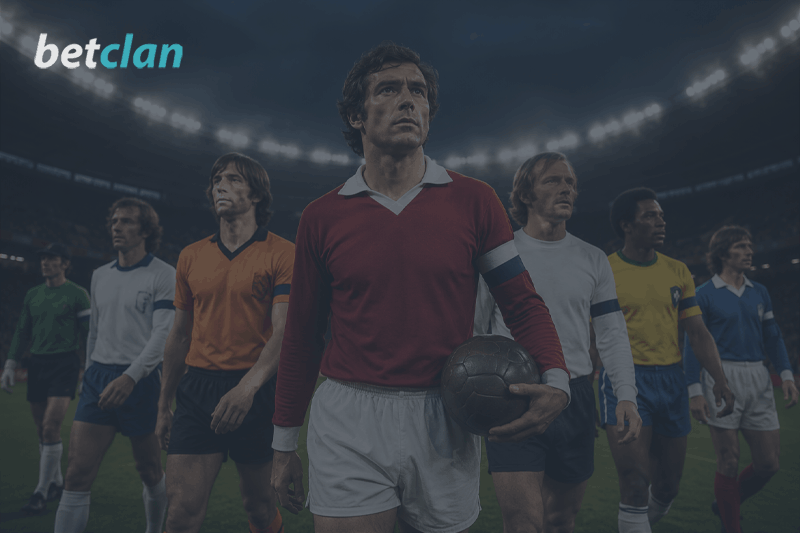
Discover the 10 best football captains of all time, with a complete analysis of their leadership, achievements, influence, personality, and lasting legacy in world football.
The Leaders Who Defined Generations of Football
Football history is full of great goalscorers, creative playmakers, dominant defenders, and unforgettable goalkeepers. Yet some players are remembered for something even deeper than technical brilliance: leadership. A great captain does not simply wear the armband. He represents the identity of a team, sets the emotional tone inside the dressing room, protects his teammates in difficult moments, and often becomes the voice of an entire club or nation. For fans and bettors who study team mentality through resources such as today football predictions, understanding leadership can be just as important as analysing form, injuries, or tactics.
The best football captains are not always the loudest players or even the most talented individuals in the squad. Some lead through calm authority, some through relentless intensity, some through loyalty, and others through their ability to deliver when the pressure is at its highest. What separates them from ordinary leaders is their capacity to influence others consistently over time. They make teammates better, give structure to chaos, and create belief when games appear lost.
This article ranks the 10 best football captains of all time by looking beyond trophies alone. The selection considers leadership style, influence on teammates, importance in historic moments, consistency, legacy, and the symbolic value each player carried for club and country.
What Makes a Great Football Captain?
A football captain has several responsibilities. He communicates with the referee, speaks for the team, encourages players, organizes the group during difficult phases, and often acts as a bridge between the coach and the squad. In the modern game, where tactical structures are complex and pressure from media and supporters is constant, leadership can decide the emotional direction of a team.
Great captains usually share several qualities. They are respected by teammates, trusted by coaches, admired by supporters, and feared by opponents. They remain composed in tense moments and do not disappear when the team is struggling. Many of them have a deep connection to the badge they represent, but leadership can also come from pure professionalism, discipline, and competitive intelligence.
Some captains inspire through words. Others inspire through actions. A sliding tackle, a crucial header, a calm pass under pressure, or a refusal to accept defeat can sometimes say more than any dressing room speech. That is why this ranking includes different types of leaders, from elegant organizers to fierce warriors and silent icons.
10 Best Football Captains of All Time
1. Franz Beckenbauer
Franz Beckenbauer stands among the greatest captains in football history because he combined leadership with tactical genius. Known as Der Kaiser, he captained West Germany to World Cup glory in 1974 and became the symbol of authority, elegance, and intelligence on the pitch. He was not only a defender; he was the architect of the team from deep positions.
Beckenbauer transformed the role of the sweeper. He did not simply clear danger; he controlled matches, stepped into midfield, created passing lanes, and dictated tempo from the back. As captain, this made him uniquely influential. His teammates trusted him because he seemed to understand the game several seconds before everyone else.
His leadership was calm rather than theatrical. He did not need constant aggression to command respect. His presence alone gave West Germany and Bayern Munich a sense of order. Beckenbauer was a captain who led through intelligence, authority, and complete mastery of the game.
2. Paolo Maldini
Paolo Maldini is one of the finest examples of leadership through class, loyalty, and consistency. He spent his entire professional career at AC Milan, becoming one of the most respected footballers the sport has ever seen. For more than two decades, Maldini represented professionalism at the highest level.
As Milan captain, he guided teams filled with world class players and strong personalities. That is never easy. Great dressing rooms often include big egos, but Maldini carried natural respect. He did not rely on intimidation. His leadership came from standards, discipline, humility, and the knowledge that he had performed at elite level year after year.
Maldini also led by example tactically. He was intelligent, elegant, rarely reckless, and always composed. Whether playing as a left back or central defender, he made difficult situations look simple. For Milan supporters, he became more than a captain. He became the living symbol of the club.
3. Carles Puyol
Carles Puyol was the warrior heart of one of the greatest club sides ever assembled. In a Barcelona team full of artists such as Xavi, Andres Iniesta, Lionel Messi, and Sergio Busquets, Puyol gave the team its emotional edge. He was not the most technically gifted player in that legendary side, but he was the player who embodied sacrifice, courage, and commitment.
Puyol captained Barcelona during an era of extraordinary success, including Champions League triumphs and domestic dominance. He also played an important role for Spain during their golden period, helping the national team win major international honours. His famous header against Germany in the 2010 World Cup semi final remains one of the defining moments of Spanish football.
What made Puyol special was his complete lack of ego. He celebrated teammates, defended them publicly, and demanded maximum effort from himself before asking it from anyone else. His leadership was physical, emotional, and honest. He was the kind of captain every dressing room needs.
4. Roy Keane
Roy Keane was one of the most intense captains football has ever produced. At Manchester United, he became the driving force of a team built on hunger, discipline, and refusal to accept mediocrity. Under Sir Alex Ferguson, Keane was not just a midfielder. He was the emotional engine of one of the most successful teams in English football history.
Keane led with fire. He demanded standards from everyone and had no patience for comfort or complacency. His leadership could be confrontational, but it also helped create an elite winning culture. Manchester United players knew that effort was non negotiable when Keane was on the pitch.
One of his most legendary performances came in the 1999 Champions League semi final against Juventus. Knowing he would miss the final through suspension, Keane still delivered a heroic display to drag United back into the tie. That performance captures his essence: personal disappointment never mattered more than the team.
5. Steven Gerrard
Steven Gerrard was the emotional soul of Liverpool for many years. Born in the city, developed by the club, and deeply connected to the supporters, Gerrard carried Liverpool with a sense of responsibility that few players could handle. His captaincy was built on passion, quality, and an extraordinary ability to produce decisive moments.
The greatest example came in the 2005 Champions League final in Istanbul. Liverpool were losing 3-0 to AC Milan at half time, facing humiliation against one of the best teams in Europe. Gerrard scored the first goal of the comeback, lifted the belief of the entire side, and inspired one of the most famous turnarounds in football history.
Gerrard was not a perfect captain in the polished sense. His leadership was emotional and sometimes raw, but that made him authentic. Liverpool supporters believed in him because he played as if every match carried personal meaning. Few captains have carried a club identity so strongly.
6. Sergio Ramos
Sergio Ramos was a captain built for big moments. At Real Madrid, he became a symbol of ambition, aggression, resilience, and European dominance. He captained the club during a period of Champions League success and repeatedly delivered when the pressure was extreme.
Ramos was more than a defender. He scored crucial goals, often in decisive matches, and brought a mentality that matched Real Madrid perfectly. His stoppage time header in the 2014 Champions League final against Atletico Madrid changed the direction of modern Madrid history. Without that goal, the story of that era could have looked very different.
As captain, Ramos could be controversial, but his influence was undeniable. He gave Real Madrid emotional force and competitive arrogance in the best sense of the word. He believed his team could win until the final whistle, and that belief often spread to everyone around him.
7. Bobby Moore
Bobby Moore remains the most iconic captain in English football history. He led England to victory at the 1966 World Cup and did so with elegance, composure, and quiet authority. In an era when defenders were often associated with physical toughness alone, Moore stood out for his intelligence and timing.
Moore was calm under pressure and rarely appeared rushed. His reading of the game was exceptional, and his leadership style reflected that. He did not need to dominate through volume. He led through clarity, balance, and dignity.
His reputation extended far beyond England. Pele famously respected Moore as one of the finest defenders he ever faced. That level of admiration from the greatest players of his era speaks volumes. Moore was a captain whose greatness came from poise and trust.
8. Didier Deschamps
Didier Deschamps may not have been the flashiest player in the teams he represented, but he was one of the most effective leaders of his generation. He captained France to victory in the 1998 World Cup and the 2000 European Championship, becoming the central figure in the greatest period of French football up to that point.
Deschamps understood balance. He protected the defence, organized midfield, communicated constantly, and allowed more creative players to shine. His role was often understated, but elite teams need exactly that kind of leader. He gave France tactical security and emotional stability.
His later success as a coach only strengthened his leadership legacy. Deschamps clearly understood football beyond individual performance. As captain and coach, he showed that leadership can be quiet, practical, and incredibly effective.
9. Franco Baresi
Franco Baresi was one of the greatest defensive leaders of all time. As captain of AC Milan, he organized one of the most disciplined and feared defensive units in football history. His positioning, anticipation, and command of the back line made him essential to Milan dominance.
Baresi was a cerebral captain. He did not rely on physical size or dramatic gestures. He read the game, controlled the defensive line, and gave his teammates confidence through precision. When Baresi played, Milan looked structured and secure.
His loyalty to Milan also added to his legacy. Through highs and lows, he remained a central figure. For many Italian football fans, Baresi represents the ideal defensive captain: intelligent, disciplined, loyal, and technically outstanding.
10. Lionel Messi
Lionel Messi may not fit the traditional image of a vocal captain, but his leadership journey with Argentina is one of the most important stories in modern football. For years, critics questioned whether he could lead the national team to a major title. Over time, Messi answered those doubts not with speeches, but with responsibility, performance, and emotional growth.
The 2022 World Cup changed the perception of Messi as a captain forever. He was still the technical genius, but he also became visibly more expressive, protective, and emotionally connected to the squad. Argentina played with his rhythm, but also with his belief.
Messi led through excellence for most of his career, then added a more visible emotional leadership late in his international journey. Winning the World Cup as captain completed one of the greatest football stories ever told and secured his place among the most important leaders in the sport.
Honourable Mentions
Any list of great captains must leave out some exceptional names. Cafu deserves major recognition for captaining Brazil to the 2002 World Cup and for his remarkable consistency. Philipp Lahm led Germany to the 2014 World Cup with intelligence and calm authority. John Terry was a defining leader for Chelsea, especially during their rise as a European force.
Iker Casillas captained Spain during their golden age and provided serenity from goal. Javier Zanetti represented loyalty and professionalism at Inter Milan for years. Francesco Totti carried Roma with unmatched emotional connection. Patrick Vieira, Alan Shearer, Manuel Neuer, and Giorgio Chiellini also deserve mention for their influence and leadership in different contexts.
Different Styles of Leadership in Football
One of the most interesting things about great captains is that there is no single formula for leadership. Roy Keane and Paolo Maldini were completely different personalities, yet both were outstanding captains. Puyol led through sacrifice, Beckenbauer through intelligence, Gerrard through emotion, and Messi through genius combined with responsibility.
This variety matters because football teams are not all built the same way. A young squad may need vocal authority. A team full of stars may need calm respect. A side under pressure may need emotional energy. The best captains understand what their teammates need and adapt their leadership accordingly.
Why Captaincy Still Matters in Modern Football
Modern football is increasingly dominated by data, tactical systems, sports science, and financial power. Even so, leadership remains irreplaceable. A tactical plan can collapse if players lose belief. A talented squad can fail if personalities are not managed. A final can be decided by emotional control as much as technical quality.
Captains are crucial in these moments. They sense when the team is nervous, when the tempo must slow down, when the referee needs to be approached, or when a teammate needs encouragement. These details rarely appear in statistics, but they shape matches.
That is why clubs still value leadership so highly. Managers can prepare the game, but once the match begins, the captain becomes one of the most important figures on the pitch. He must read not only the tactics, but the emotional state of the team.
Conclusion
The greatest football captains of all time are remembered because they represented something bigger than themselves. Beckenbauer brought intelligence and elegance. Maldini offered loyalty and class. Puyol embodied sacrifice. Keane demanded standards. Gerrard carried emotion. Ramos delivered in decisive moments. Moore showed dignity. Deschamps provided balance. Baresi organized with brilliance. Messi completed his legacy through responsibility and inspiration.
These players prove that leadership in football is not one dimensional. It can be loud or quiet, emotional or calculated, physical or technical. What matters is influence. A true captain changes the behaviour of those around him and gives a team something it cannot easily replace: belief.
In the end, trophies matter, but the greatest captains are remembered for more than silverware. They are remembered for the way they made teams stronger, supporters prouder, and football history richer.
Discover how load management and the NBA's competitive schedule directly influence team performance and betting outcomes. Learn how to spot opportunities and adjust your daily bets with smart strategies.
Explore the all-time leaders for most sixes in international cricket, featuring Rohit Sharma, Chris Gayle, Shahid Afridi and the greatest power hitters across Tests, ODIs and T20Is.
Relive the top 10 most iconic eSports moments from Daigo’s Parry to Cloud9’s Major win, with context, key plays, and why each highlight still shapes competitive gaming.
A detailed look at the best cricket captains in history, analysing leadership, trophies, tactical intelligence, dressing room influence and long-term impact on the game.
Africa is rapidly emerging as a key market for sports betting, driven by a young, sports-loving population, increasing internet access, and relaxed regulations. While Nigeria and South Africa lead the industry, countries like Kenya, Tanzania, and Ghana are also growing quickly.
Discover advanced strategies and valuable tips to enhance your sports betting skills. This comprehensive guide provides insights for experienced bettors looking to maximize their winnings and minimize risks.
Learn how to identify hidden opportunities in less publicized tennis tournaments and turn your knowledge into consistent profit. Practical strategies to bet smartly on ATP 250, Challengers, and ITF events.
Discover why Saudi Arabia is investing heavily in football, its geopolitical strategy, and the impact on global sports, player transfers, and betting markets.
Dive deep into the concept of value betting, understanding its intricacies, and mastering the techniques to ensure optimal returns on your bets.
Explore how Melbet expands online betting access in Uganda through mobile technology, diverse sports markets, and digital platforms.