

Top 10 Baseball Teams of All Time
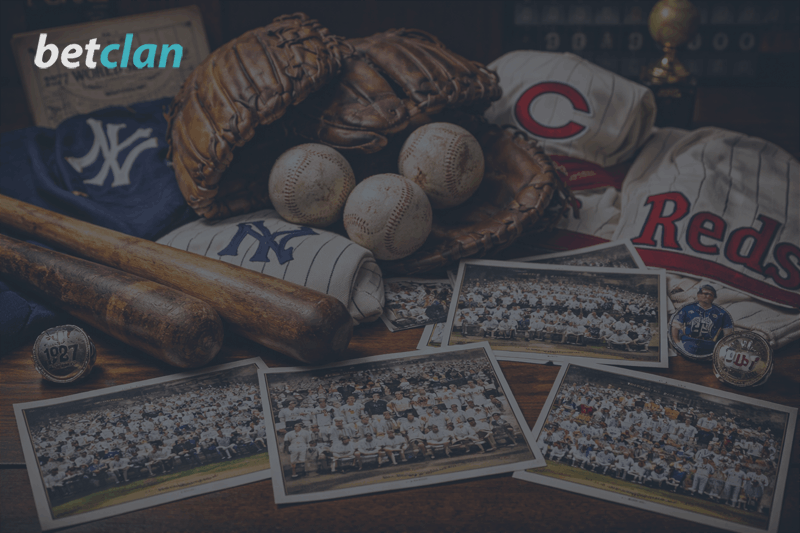
A professional, era-aware ranking of the 10 greatest baseball teams ever, with clear criteria, deep context, roster construction notes, and why each team’s dominance still holds up today.
How Great Baseball Teams Are Evaluated Across Eras
Ranking the greatest baseball teams of all time is not a nostalgia exercise. It is an evaluation problem across radically different competitive environments: different rules, different travel conditions, different league sizes, different talent pools, and very different postseason structures. A team that dominated in the early 1900s competed in a smaller, less global ecosystem. A modern champion navigates deeper pitching, heavier specialization, more information parity, and a postseason designed to amplify variance. A professional list must acknowledge those differences without using them as an excuse to avoid judgment.
This ranking uses a consistent set of pillars that translate across eras. First is dominance relative to the league: how clearly a team separated from its peers in quality and results. Second is run profile: sustainable run creation and run prevention, because one dimensional teams are easier to neutralize. Third is roster depth and redundancy: great teams have multiple solutions when Plan A is pressured, including pitching depth and lineup flexibility. Fourth is high leverage translation: how convincingly the team performed when the margin for error narrowed, whether in pennant races or postseason play. Fifth is era difficulty: the strength of the league environment and how challenging it was to sustain excellence over the full season.
One practical way to connect historical comparisons to modern baseball is to follow day to day slate context such as probable starters, bullpen fatigue, travel spots, and lineup confirmation. Many readers pair those checks with today’s baseball predictions as a quick snapshot of matchups and form before first pitch.
Because playoff formats have changed repeatedly, this list does not over reward modern teams simply for surviving more rounds, nor does it dismiss early era teams because they played fewer postseason games. Instead, it asks a simpler question: was this team structurally dominant and difficult to beat, and did it prove that over a meaningful sample?
1) 1927 New York Yankees
The 1927 Yankees remain the most enduring reference point for all time team dominance. They combined overwhelming offense with reliable pitching and a psychological edge that made opponents feel behind before the first inning ended. This was not a roster that needed perfect sequencing. It created sustained pressure and punished every mistake.
Why they stand above most teams
The defining trait is separation. They were not merely the best team in baseball; they felt like a different category. Their offensive profile was relentless, and their ability to turn small openings into multi run innings is the most repeatable trait of historically great teams.
Why the profile still translates
Even across eras, teams that combine elite run creation with enough pitching stability to avoid extended cold stretches are exceptionally hard to beat. The 1927 Yankees fit that blueprint perfectly.
2) 1976 Cincinnati Reds
The 1976 Reds represent lineup inevitability at its highest level. They were not just powerful, they were deep. They forced pitchers to throw competitive pitches from the top of the order through the bottom, which is one of the hardest things for an opponent to manage over a long season.
Lineup depth as a weapon
Great offenses are not about one superstar carrying a month. They are about a chain of quality plate appearances that raise pitch counts, create mistakes, and turn a single baserunner into a crooked number. The 1976 Reds were a model of that pressure.
High leverage reliability
Teams built around consistent offensive pressure tend to translate well to high leverage games because they do not depend on a single outcome type, such as home runs only. This club could score in multiple ways and sustain it.
3) 1998 New York Yankees
The 1998 Yankees are the modern era standard for a complete championship machine: depth, defense, lineup balance, and a pitching plan that could win in multiple scripts. They were not dependent on one hitter, one ace, or one style of game.
Why they are considered modern gold standard
The roster was built for stability. That matters because stability reduces variance and makes dominance sustainable. Their ability to win close games, avoid self inflicted losses, and maintain consistent quality across a full season is exactly what separates a great team from a historically great one.
How they translate to today
Depth and redundancy remain the most reliable postseason advantages. This club had both, which is why it continues to rank at the top of modern comparisons.
4) 1906 Chicago Cubs
The 1906 Cubs belong on any serious list because dominance relative to environment still matters. They separated from their league through run prevention, disciplined execution, and a profile built to minimize mistakes. In an era where offensive output and conditions varied, their ability to consistently control games stands out.
Run prevention as a timeless advantage
Pitching and defense translate better across eras than any single offensive style. Teams that suppress big innings and avoid gifting baserunners tend to remain elite regardless of the era’s scoring environment.
Why they remain relevant historically
This club represents what an outlier looks like in its context: structurally better than peers, not just a team that ran hot for a short stretch.
5) 1970 Baltimore Orioles
The 1970 Orioles are a blueprint for balanced dominance: high end pitching strength paired with enough offensive production to create separation. Their roster profile is one that reduces volatility because it can win low scoring games through run prevention and still punish mistakes offensively.
Why the roster construction is elite
Great teams usually have a clear advantage axis. For the Orioles, it was the combination of top end pitching and strong fundamentals. They were not dependent on one kind of game.
High leverage strength
Teams with strong run prevention tend to translate well when pressure rises because a single mistake does not automatically become a multi run inning. The Orioles’ profile is built for that reality.
6) 2001 Seattle Mariners
The 2001 Mariners represent the modern regular season apex: depth, defense, and consistent performance with very few soft spots. They were built to win daily, not just win highlights, and their ability to sustain excellence over months is the core argument for their inclusion.
Why they are historically significant
In a deeper modern talent pool, separation is harder. A team that consistently outperforms the league over a full season with balance and depth belongs in the all time conversation.
What their profile teaches
Team quality is not only about star concentration. It is also about avoiding weakness. The 2001 Mariners were exceptionally strong at reducing exploitable gaps.
7) 1986 New York Mets
The 1986 Mets combine high end talent with a hard edged competitive identity that translated under pressure. They were strong in multiple phases, with the kind of pitching and lineup ability that makes a team dangerous in both long stretches and short series.
Strength on the mound
Elite teams often separate through pitching depth and leverage control. The Mets had the type of staff that could dictate matchups and suppress opponent rallies.
Why their season holds up
The total profile is what earns the spot: run prevention plus enough offense to punish mistakes, in a competitive modern era.
8) 1984 Detroit Tigers
The 1984 Tigers are a model of sustained control. They established superiority early and maintained it through the full season, which is difficult in baseball where randomness constantly pushes teams toward the middle.
Why wire to wire dominance matters
Many teams peak early and fade. Sustained performance signals true underlying quality, not momentum. The Tigers’ ability to hold the line over months is the key indicator.
Postseason finishing
Greatness requires conversion. They turned regular season authority into a championship without looking fragile when the stakes rose.
9) 2018 Boston Red Sox
The 2018 Red Sox represent a modern era superteam profile: elite run creation, strong lineup depth, and enough pitching and bullpen management to survive postseason variance. Their success was not one dimensional; they could win different types of games.
Why the modern context matters
In today’s league, information parity is high and talent distribution is deeper. Sustained dominance requires both roster quality and organizational execution, and the Red Sox delivered both.
Why they translate
Multiple scoring pathways, on base skill, power, and lineup depth are timeless offensive advantages. This team had them all.
10) 2016 Chicago Cubs
The 2016 Cubs are a modern blueprint built around run prevention, defensive versatility, and a roster constructed for high leverage baseball. Their season is culturally iconic, but this ranking is based on the on field profile: a team that suppressed runs and generated enough offense to win across different environments.
Why their structure holds up
They were built to avoid common postseason failure modes such as defensive collapse, bullpen volatility, and lineup fragility. That structural resilience is what separates champions from all time contenders.
Why they belong in the top 10
Modern championships are difficult because the postseason is designed to be volatile. A team that wins with a complete run prevention framework deserves serious historical credit.
Where to Follow Ongoing Baseball Coverage
Staying current on injuries, roster moves, pitching plans, and broader league storylines helps contextualize both historical dominance and modern comparisons. For an up to date stream of reporting and headlines, you can follow baseball coverage as a general reference point.
What the Greatest Teams Have in Common
They create sustainable advantages
All time teams do not rely on one hot month or one star carrying everything. They generate repeatable edges through depth, matchup flexibility, and a run profile that survives slumps.
They win in more than one script
The best teams can slug their way to wins, but they can also win when the bats cool off. They prevent runs, defend cleanly, and manage pitching leverage intelligently.
They separate from their league environment
Era adjusted dominance is the fairest cross era signal. The teams above were not simply champions; they were outliers relative to their competition.
Final Thoughts
The greatest baseball teams are remembered because they created a sense of inevitability through roster depth, strategic flexibility, and a run profile built to withstand randomness. This list balances historical dominance with era awareness, recognizing that greatness is partly about results and partly about how convincingly those results were produced. Debates will continue, but teams like the 1927 Yankees and the 1998 Yankees remain the standard because they were not just winners; they were structurally superior machines that forced the sport to recalibrate what excellence looks like.
Relive 10 of the greatest FIFA eWorld Cup matches ever played, from legendary comebacks and penalty shootouts to dramatic finals featuring MoAuba, Nicolas99fc, Msdossary, Umut and other esports icons.
Dive deep into the concept of value betting, understanding its intricacies, and mastering the techniques to ensure optimal returns on your bets.
Dive into the techniques and strategies of how to bet on total goals in football matches with this detailed guide. Learn how to analyze games and improve your bets to maximize your profits.
Discover the best strategies and tips for eSports betting. Learn how to analyze teams, players, and games to increase your chances of success in online betting.
In this comprehensive guide, we delve into the enthralling world of NFL betting. Beginning with an extensive overview of the league and its highlights, including the thrilling Super Bowl LVII, we dive deep into effective betting strategies, tips, and crucial analyses to turn your passion for American football into profitable ventures.
Discover the top 10 cricket players of today with an in-depth analysis of their careers, stats, and global impact.
Until recently, sports betting was officially illegal throughout the US. But when the Supreme Court ruled in 2018 that each state could decide the legality of different types of gambling, the sports gambling industry exploded.
From Leicester City's 5000-1 Premier League miracle to Greece at EURO 2004, explore the greatest underdog stories in football history.
Effective bankroll management ensures that you can enjoy the thrill of betting while minimizing the risk of significant financial losses.
A detailed guide on how to bet effectively on basketball, exploring strategies, analyses, and practical tips to maximize your odds of success in sports betting.