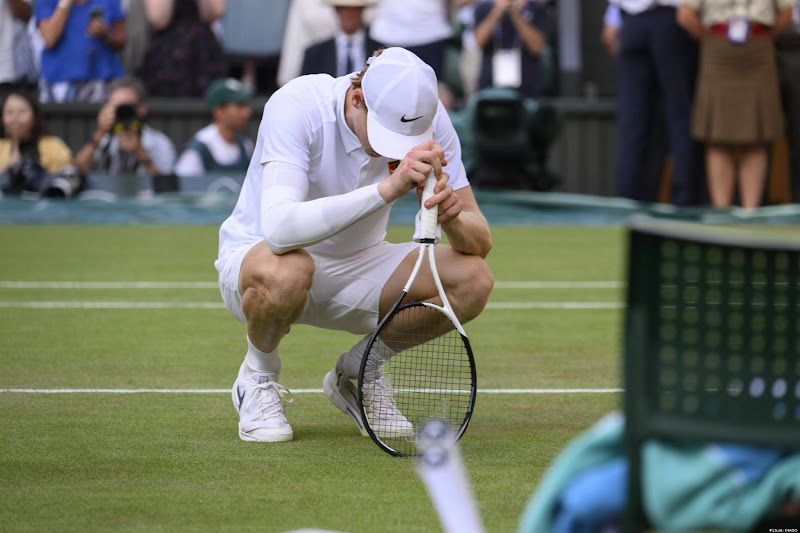
Wimbledon 2026 opens on June 29, bringing two weeks of grass-court tennis, shifting odds, player form checks, and a busy betting period.
Wimbledon opens a betting stretch
Wimbledon 2026 begins on June 29 and runs through July 12, bringing the grass season into its sharpest two-week window. The tournament does not need much promotion: Centre Court, short rallies, tight service games, sudden breaks, and matches that can turn on one loose game already create enough tension. A user may compare schedules, grass-court form, injury notes, and a service page such as http://1xbet.tz/en during the same research session, while the main reading still comes from the court: serve rhythm, movement, recovery, and how each player handles pressure on grass. Wimbledon is rarely about volume alone. It is about timing, surface control, and how quickly a player adjusts when the bounce stays low.
Grass changes the whole read
Grass is the fastest Grand Slam surface, even if modern Wimbledon is less explosive than it once was. The ball still skids more than it does on clay or hard courts. Serve placement matters. First-strike tennis carries extra value. A player who protects the first serve well can survive long stretches without creating many return chances.
That makes early rounds especially interesting. Some players arrive from clay with rhythm but need time to change movement patterns. Others build their game around serve, slice, short points, and net approaches. On grass, that second group can become more dangerous than rankings alone suggest.
The opening days also create betting movement because not every favourite settles quickly. A top player may win in straight sets and still look uncomfortable. Another may drop a set early, then find timing and become stronger by the second week. The scoreline helps, but the way a match is won matters more.
What to watch before the first serve
Wimbledon forecasting should begin before the draw creates headlines. Grass form, recent match load, serving numbers, return games, and physical condition all matter. A player who has won a warm-up event may look attractive, but fatigue can follow. A player who lost early at Queens, Halle, Berlin, Nottingham, or Eastbourne may arrive fresher and better prepared than the result suggests.
The most useful pre-match checks are simple:
• first-serve percentage over the last few grass matches;
• break points saved and converted;
• recent tie-break record;
• movement after long rallies;
• previous Wimbledon performance;
• match length during the last two tournaments;
• comfort returning against big servers.
These details keep predictions grounded. Wimbledon rewards small margins. A player can control four service games easily, face one bad return game, and lose the set 6-4 without looking much worse overall.
Where the odds can move
The biggest betting period does not arrive only during finals weekend. Wimbledon odds move every day. Early rounds react to court speed, weather, withdrawals, medical timeouts, and unexpected long matches. By the fourth round, the market usually has a clearer idea of who is handling the surface well.
| Betting angle |
Why it matters at Wimbledon |
| Match winner |
Strong surface fit can beat ranking gap |
| Set handicap |
Useful when a favorite has serve control |
| Total games |
Tie-break risk can push lines higher |
| First set winner |
Slow starts are costly on grass |
| Player aces |
Serve rhythm often decides tight matches |
| Tie-break in match |
Grass increases short-margin sets |
The total games market often deserves close attention. Two strong servers can produce long sets without many breaks. A 7-6, 6-4, 7-6 match may feel controlled but still go above many lines. On the other hand, a poor returner facing an elite mover can collapse quickly once the first break arrives.
Betting should follow the match shape
Wimbledon betting works best when it follows the shape of the match, not just the name on the scoreboard. A famous player may be overpriced if the opponent serves well and keeps points short. A lower-ranked player may carry value if the matchup reduces long rallies and turns the contest into a serving duel.
Live betting can be tempting at Wimbledon because momentum feels visible. One early break, one missed volley, or one medical timeout can move the market fast. Still, grass can create false signals. A player may look under pressure on return games but remain completely safe on serve. Another may dominate rallies but fail to convert break points.
In a mobile routine where app sits beside live scores and match statistics, the best approach is to separate emotion from evidence. Check first-serve numbers, unforced errors, break points, and body language before reacting. Stake size should stay controlled, especially in early rounds, where unfamiliar matchups can create sharp swings.
Weather can change the rhythm
Wimbledon roof courts reduce some uncertainty, but the weather still matters. Outdoor courts can play differently when conditions change. Cooler air can slow the ball slightly. The sun can make the surface quicker. Wind can disturb tosses and punish players who rely heavily on precise serving.
Rain delays also affect rhythm. A player who starts well may lose timing after a long break. Another may use the pause to reset. This matters for live predictions because the match after the interruption is not always the same match as before it.
Court assignment also matters. Centre Court and No.1 Court feel different from outer courts. The crowd, roof possibility, court wear, and schedule pressure can all influence how comfortable a player looks.
The second week tells a different story
By the second week, Wimbledon becomes less about surprise and more about durability. Players who survive early danger must still handle pressure, recovery, media attention, and rising quality of opposition. A clean first week is useful, but it is not a guarantee.
Quarter-finals and semi-finals usually reward players who hold serve under pressure and stay calm in tie-breaks. That is where the best predictions become more selective. Instead of asking who has the better ranking, the stronger question is who has the clearer path to winning important points.
What does this Wimbledon period mean
Wimbledon 2026 opens a major stretch for tennis betting because the event brings daily markets, global attention, and a surface that creates unusual matchups. The best reads will not come from reputation alone. They will come from serve quality, grass movement, return pressure, weather, court speed, and how players manage tight scorelines.
The tournament starts on June 29, but the better predictions begin before that. A careful read of preparation events, draw position, match load, and playing style can separate useful value from loud expectation. On grass, one break can decide a set. Over two weeks, that makes every detail feel larger.