

Best Enforcers in NHL History
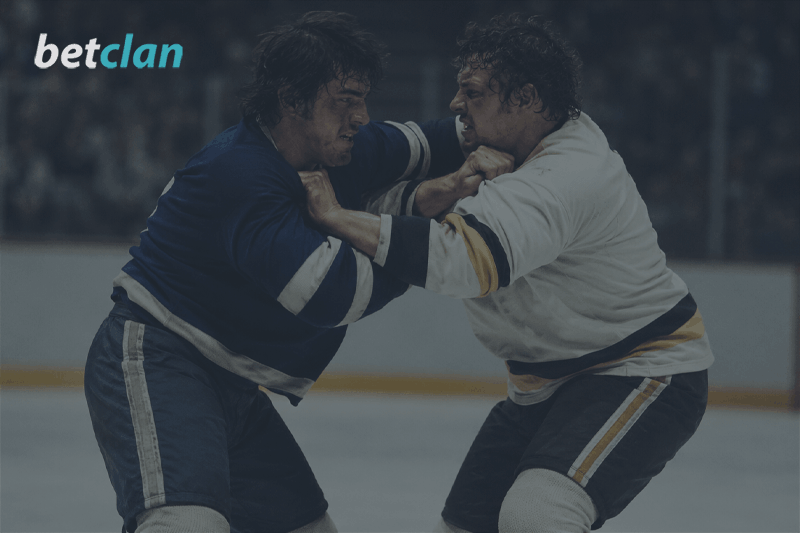
Explore the best enforcers in NHL history, from Bob Probert and Tie Domi to Dave Semenko, Dave Schultz and other legendary figures who shaped hockeys physical identity.
The toughest players who shaped the physical side of the NHL
The history of the NHL cannot be told only through goals, assists, Stanley Cups and superstar forwards. Hockey has always had a physical identity, and for many decades, the enforcer was one of the most recognisable roles in the sport. These players were not always the most skilled skaters or the most productive scorers, but they carried a responsibility that shaped games, protected teammates and changed the emotional tone of entire rivalries.
An enforcer was more than a fighter. At the highest level, the role demanded courage, timing, loyalty and discipline. A good enforcer knew when to step in, when to protect a star player, when to send a message and when to avoid giving the opponent an unnecessary power play. In older eras of the NHL, especially when the league was more tolerant of fighting and intimidation, these players were often viewed as essential parts of a competitive roster.
This ranking looks at some of the best enforcers in NHL history. The focus is not only on penalty minutes or fight records. It also considers reputation, team impact, intimidation factor, loyalty, historical legacy and the way each player became part of hockey culture. Some were pure heavyweights. Others could also contribute offensively or play meaningful minutes. All of them helped define what toughness meant in the NHL.
What made a great NHL enforcer?
A great NHL enforcer needed more than size and aggression. Fighting ability mattered, but the best players in this role also understood the rhythm of a game. They could sense when an opponent was taking liberties with a teammate. They could lift the energy of the bench after a flat start. They could make rivals think twice before delivering a dangerous hit or crowding a goaltender.
The psychological side of the role was just as important as the physical side. A respected enforcer changed behaviour before anything happened. Opponents knew who was on the bench. They knew which players would answer a cheap shot. That reputation created space for skilled teammates and helped teams feel protected during long, intense seasons.
The role also required sacrifice. Enforcers often played limited minutes, absorbed punishment and accepted a job that came with real physical consequences. Many were loved by teammates because they did difficult work without expecting the same attention as star players. Their legacy is therefore complex: heroic to many fans, controversial in modern discussions about player safety, but undeniably important to the history of the league.
1. Bob Probert
The gold standard for NHL enforcers
Bob Probert is often considered the greatest enforcer in NHL history. His reputation was built during his years with the Detroit Red Wings, where he became one of the most feared and respected players in the league. Probert had size, power, balance and an extraordinary ability to survive long fights against the toughest opponents of his era.
What made Probert special was that he could also play hockey. He was not simply a bench presence waiting for a fight. He could skate, protect the puck, create offence and contribute more than many traditional enforcers. That made him far more valuable because he could influence the game both physically and in open play.
Probert became a symbol of NHL toughness in the 1980s and 1990s. His battles with other heavyweights were major events, and his name still appears at the top of almost every serious discussion about hockeys toughest players. He had the rare combination of fear factor, popularity and genuine playing ability.
2. Tie Domi
A fearless fighter with a huge reputation
Tie Domi was not the biggest enforcer in NHL history, but few players matched his fearlessness. He built a long career through courage, aggression and a willingness to face much larger opponents. His name became especially connected with the Toronto Maple Leafs, where he developed a cult following among fans.
Domi played with energy and emotion. He could provoke opponents, protect teammates and turn a quiet game into a heated battle. His style made him a divisive figure. Fans of his teams loved his commitment, while rival supporters often saw him as a constant irritation. That was part of his value.
What separated Domi from many others was his consistency. He was always available for the physical side of the game and rarely looked intimidated. In a role built on reputation, that mattered enormously. Domi became one of the most recognisable enforcers the NHL has ever seen.
3. Dave Semenko
The protector of Wayne Gretzky
Dave Semenko holds a special place in NHL history because of his role with the Edmonton Oilers during the Wayne Gretzky era. The Oilers were loaded with skill, speed and attacking talent, but they also needed protection. Semenko gave them that security.
His job was clear. If opponents tried to intimidate Gretzky or take liberties with Edmontons stars, Semenko was there to respond. This made him one of the most important support players in one of the greatest team environments the league has ever seen. He did not need to lead the team in scoring to have value. His presence helped elite players operate with more freedom.
Semenkos legacy shows why enforcers mattered in past eras. He was not just there for spectacle. He had a strategic function. In a league where star players could be targeted physically, having a protector changed the way opponents approached games against Edmonton.
4. Dave Schultz
The face of the Broad Street Bullies
Dave Schultz is one of the most famous enforcers in NHL history because of his connection with the Philadelphia Flyers of the 1970s. Those Flyers teams, known as the Broad Street Bullies, used physical intimidation as a core part of their identity. Schultz was the clearest symbol of that approach.
Philadelphia did not just play hard. The team made opponents uncomfortable. Schultz helped create that atmosphere with his aggressive style, willingness to fight and ability to set a physical tone. In that era, the Flyers used intimidation as a competitive weapon, and Schultz became one of the most recognisable players in that system.
His style would be viewed very differently in the modern NHL, but his historical importance is impossible to ignore. Schultz represented one of the most physical periods the league has ever seen. He remains a central figure in any discussion about enforcers and the evolution of hockey toughness.
5. Tiger Williams
The penalty minutes king
Tiger Williams is one of the most legendary physical players in NHL history. He is famous for his enormous penalty minute totals and his constant ability to irritate opponents. Williams played with edge, emotion and a willingness to engage in almost any kind of physical confrontation.
His value was not limited to fighting. Williams was also an agitator. He could change the mood of a game, pull opponents into emotional mistakes and give his own team energy. That made him more than a traditional heavyweight. He was a chaos creator.
For many fans, Williams represents the old-school spirit of the NHL: tough, intense, confrontational and impossible to ignore. His record and reputation still make him one of the most important names in the history of hockeys physical side.
6. Marty McSorley
A physical protector with real hockey value
Marty McSorley was another enforcer closely linked with Wayne Gretzky, both in Edmonton and later with the Los Angeles Kings. He brought strength, toughness and a willingness to protect star teammates, but he also had enough hockey ability to play useful minutes.
McSorley could play defence, move the puck simply and add physical presence without being only a fight specialist. That versatility helped him remain valuable in strong teams. He was the kind of player who could support elite talent while still handling basic tactical responsibility.
His career also includes controversy, which reflects the complicated history of the enforcer role. The line between protection and excess was not always clear in past NHL eras. Even so, McSorleys impact and reputation place him among the most significant enforcers in league history.
7. Chris Nilan
The warrior of the Montreal Canadiens
Chris Nilan was one of the most respected tough players of his generation. With the Montreal Canadiens, he became known for courage, loyalty and a willingness to face anyone. He played with emotion and pride, and he accepted the difficult physical responsibilities that came with his role.
Nilan was not only respected because he fought. He was respected because he stood up for teammates and brought intensity every time he was on the ice. In a market like Montreal, where pressure is always high, that kind of player can become deeply valued by fans and teammates.
His story also reminds us that the enforcer role came with a cost. The physical and emotional demands were real. Nilan remains important not only because of what he did on the ice, but because his career reflects both the honour and the burden of being an NHL enforcer.
8. Donald Brashear
One of the most feared modern heavyweights
Donald Brashear was one of the most intimidating enforcers of the more modern NHL era. His strength, balance and endurance made him a very difficult opponent in fights. Over several teams, he built a reputation as a player few rivals wanted to challenge directly.
Brashear played during a period when the NHL was beginning to change. The game was becoming faster, more structured and less accepting of some old physical habits. Even in that changing environment, he remained relevant because of his presence and reputation.
His value came from the fact that opponents knew exactly what he represented. He could protect teammates, respond to physical challenges and bring intimidation to the ice before a fight even happened. That reputation alone gave him a place among the most respected enforcers of his era.
9. Clark Gillies
Power and toughness within a dynasty
Clark Gillies was more than a classic enforcer. He was a powerful, skilled and physically dominant player who became a key part of the New York Islanders dynasty. His ability to combine toughness with real hockey contribution makes him one of the most complete physical players in NHL history.
Gillies could score, protect teammates, win battles and impose himself physically. He was not limited to fighting. He could influence games in several ways, which made him especially valuable in playoff hockey. On a championship team, that kind of balance matters.
The Islanders were one of the great teams in league history, and Gillies helped give them the physical presence needed to survive long postseason battles. He showed that toughness and skill did not have to be separate qualities.
10. Terry OReilly
The fighting spirit of the Boston Bruins
Terry OReilly was one of the defining tough players in Boston Bruins history. He played with relentless intensity, defended teammates and embodied the combative identity that has long been associated with the franchise. Bruins fans valued him because he seemed to give everything on every shift.
OReilly was not just muscle. He brought leadership, competitive intelligence and emotional force. His toughness was part of a wider team identity. Boston has always respected players who combine aggression, commitment and courage, and OReilly fit that model perfectly.
His place on this list comes from more than fighting. He helped set the tone for his team. Sometimes being an enforcer meant leading through example, showing teammates that no opponent would outwork or intimidate the group.
How the enforcer role changed in the NHL
The role of the enforcer has changed dramatically. In older decades, teams often believed they needed a dedicated tough player to protect stars and control the physical temperature of games. Fighting was more common, intimidation was more accepted and rosters were often built with at least one player who could answer physical challenges.
The modern NHL is different. The game is faster, more skilled and more focused on safety. Concerns about concussions, long-term health and unnecessary violence have reduced the space for pure enforcers. Today, a player who only fights and offers little with the puck will struggle to keep a regular NHL role.
That does not erase the history of the position. Enforcers belonged to a specific hockey world, and within that world they had real value. They protected stars, shaped rivalries, gave teams emotional confidence and helped define the atmosphere of the NHL for generations.
Why NHL enforcers are still remembered
The best enforcers in NHL history are still remembered because they represented sacrifice and identity. They were not always the headline stars, but they often did the work that teammates appreciated most. They faced fear, pain and pressure in a role that demanded total commitment.
Fans connected with these players because they seemed loyal, hard-working and fearless. Many enforcers became cult heroes precisely because they were not polished superstars. They were seen as protectors, warriors and symbols of team unity.
At the same time, their legacy should be viewed with balance. The NHL has changed for good reasons, and modern conversations about player safety matter. The enforcer era had drama and emotion, but it also had serious physical consequences. The most honest way to remember these players is to recognise both their impact and the cost of the role they played.
A legacy built on courage, protection and controversy
The best enforcers in NHL history were not just fighters. Bob Probert, Tie Domi, Dave Semenko, Dave Schultz, Tiger Williams, Marty McSorley, Chris Nilan, Donald Brashear, Clark Gillies and Terry OReilly all brought something different to the role. Some were protectors of superstars. Some were symbols of aggressive teams. Some combined physical dominance with genuine hockey ability. Others became legendary because of pure intimidation.
The NHL no longer depends on enforcers in the same way, but their influence remains part of the leagues history. They belonged to an era when the ice felt more brutal, physical battles carried greater weight and protecting teammates was seen as a central responsibility.
To discuss the greatest NHL enforcers is to discuss courage, excess, loyalty, controversy and team identity. Their role has changed, but their memory still explains a lot about the emotional history of hockey. In the end, the great enforcers were not remembered only for the fights they accepted. They were remembered because they made opponents hesitate, teammates feel protected and fans believe their team would never back down.
Discover advanced strategies and valuable tips to enhance your sports betting skills. This comprehensive guide provides insights for experienced bettors looking to maximize their winnings and minimize risks.
Explore the Martingale betting strategy, understand its principles, potential benefits, and inherent risks. Know when and where to apply this strategy for optimal results.
A deep, criteria based breakdown of the 10 greatest NBA point guards ever, with era context, peak and longevity analysis, playoff translation, leadership impact, and modern fit for each legend.
Explore how Manuel Neuer redefined the goalkeeper role across 556 appearances for Bayern Munich, inspiring fans globally, including Ethiopia.
Explore the best enforcers in NHL history, from Bob Probert and Tie Domi to Dave Semenko, Dave Schultz and other legendary figures who shaped hockeys physical identity.
Exploring the techniques and strategies behind football betting predictions, helping bettors make more informed decisions.
Discover strategies and practical tips to maximize your profits with sports betting. Explore the fundamentals, types of bets, bankroll management, and avoid the most common mistakes among bettors.
Explore why trust, security, reputation, payment protection and platform credibility have become decisive factors in online gambling.
A complete ranking of the top 10 football players with the most international goals, analysing records, scoring consistency, national team impact and legacy.
Learn how football betting markets work, from match odds and goals to player bets, live markets, bookmaker margins and smarter staking decisions.